Research Portfolio
All four research areas share a common thread: harnessing the α-galactose (α-Gal) epitope displayed on virus-like particle platforms to generate protective immune responses against neglected diseases that affect hundreds of millions of people worldwide.
Leishmania Vaccine Development
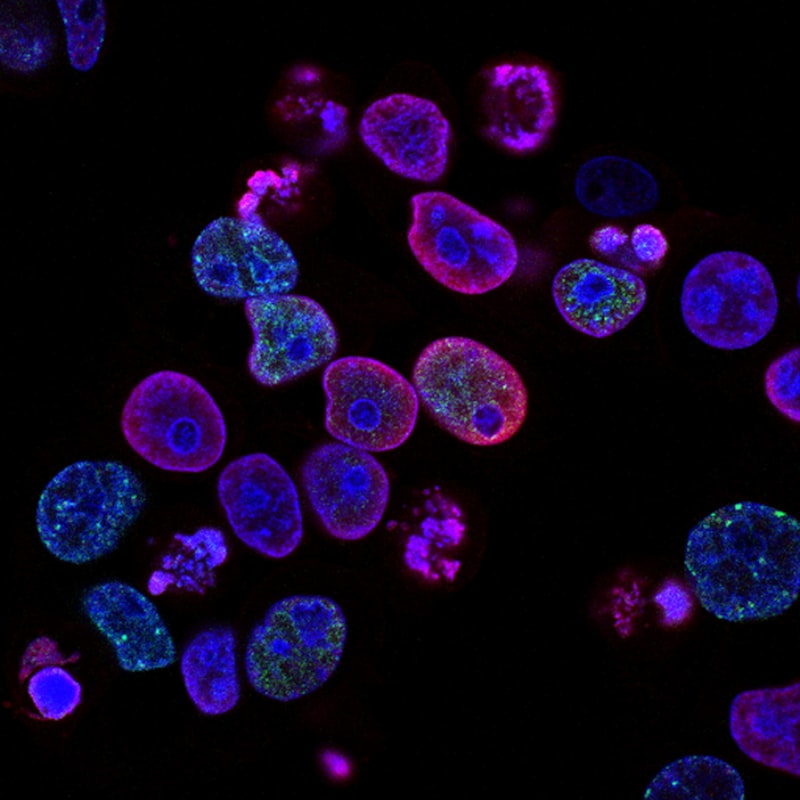
Leishmaniasis kills tens of thousands of people each year, yet no licensed human vaccine exists. The Marques Lab displays α-Gal epitopes on icosahedral virus-like particles (VLPs) to generate strong Th1-polarized immune responses in mouse models of visceral, cutaneous, and mucocutaneous disease. Current work is testing combination immunotherapy that pairs α-Gal VLPs with miltefosine, and exploring intranasal delivery to build lasting mucosal immunity at parasite entry sites.
- α-Gal VLP prophylactic and therapeutic vaccine candidates
- Combination immunochemotherapy with miltefosine
- Intranasal mucosal vaccination strategies
- IL-10 modulation to address immune exhaustion
Chagas Disease (T. cruzi)
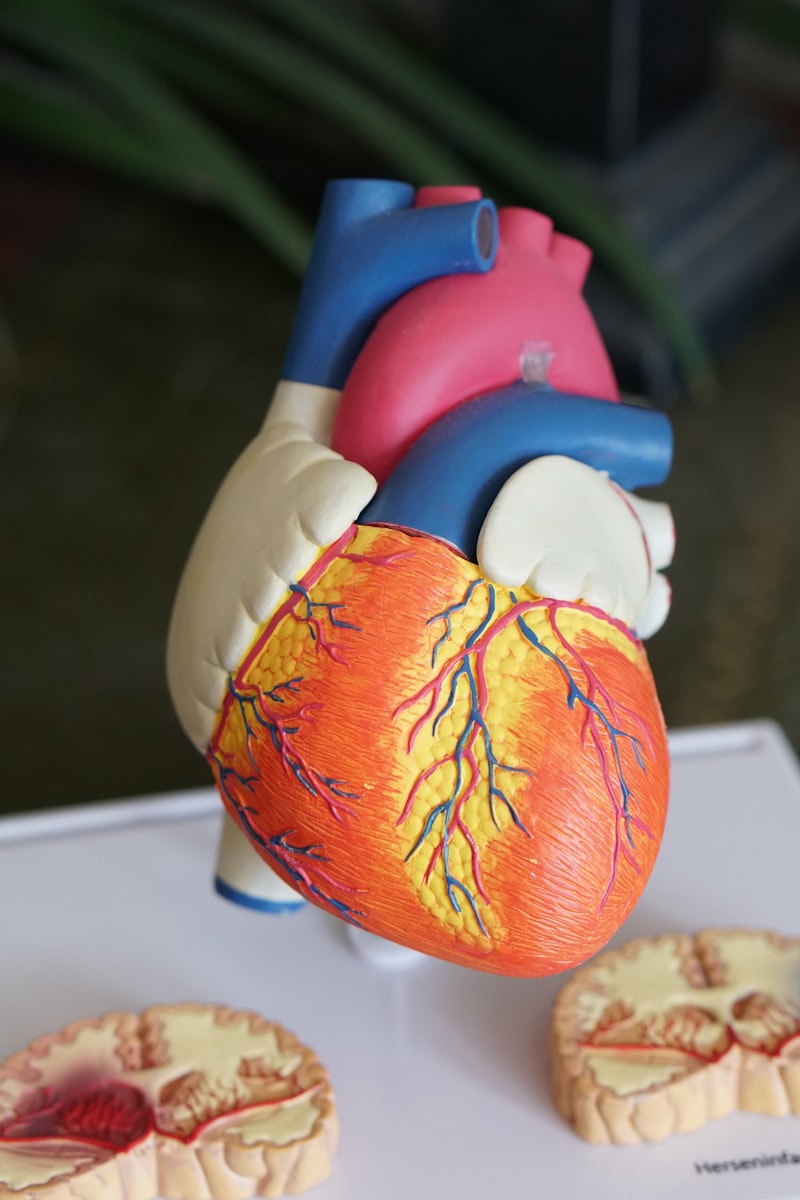
Chagas disease is a leading cause of heart failure in Latin America, affecting 6–7 million people with no available vaccine. The lab established the C57BL/6 α-1,3-galactosyltransferase knockout mouse as a validated model for Chagas research and showed that prophylactic α-Gal VLP vaccination significantly reduces cardiac parasite burden. Graduate student Ugochukwu Oduwe presented current work on VLP-displayed T. cruzi trans-sialidase peptide vaccines at AAI Immunology 2026 in Boston.
- α-Gal VLP glycovaccine (npj Vaccines, 85 citations)
- SA-85 trans-sialidase VLP-peptide vaccine candidates
- α-1,3-GT knockout mouse model development
- Cardiac α-Gal immunization studies

Anti-Tick Vaccines & α-Gal Syndrome
α-Gal syndrome — commonly called red meat allergy — is caused by tick bites that introduce α-Gal through saliva, sensitizing the immune system to mammalian glycoproteins. A 2016 lab paper identified α-Gal in Amblyomma sculptum tick saliva and linked it directly to red meat allergy in Brazil (now cited over 150 times). Current research is developing anti-tick vaccines targeting α-Gal-bearing salivary proteins to prevent both tick feeding and allergic sensitization.
- α-Gal characterization in Amblyomma and Ixodes tick saliva
- Anti-tick vaccine development
- IgE vs. IgG dynamics in α-Gal sensitization
- Epidemiological work in Brazil and the United States

VLP Platforms, Diagnostics & Bioinformatics
Virus-like particles are hollow protein nanostructures that display antigens on their surface in the dense, repetitive patterns that most effectively activate B cells — without containing any genetic material. A 2017 ACS Central Science paper (86 citations) established VLP-carbohydrate conjugation as a viable anti-parasitic vaccine approach. The lab also develops α-Gal VLP-based ELISA assays for Chagas disease serodiagnosis, and uses computational methods to identify optimal epitopes and guide vaccine design.
- Icosahedral VLP surface chemistry and carbohydrate conjugation
- α-Gal VLP ELISA for Chagas disease serodiagnosis
- Computational epitope prediction and antigen design
- Multivalent antigen display and immune response modeling
Approaches & Tools
Methods & Models
Murine infection models (C57BL/6, α-1,3-GT KO)
VLP synthesis & characterization (TEM, DLS, ELISA)
Vaccination & immunization protocols
Flow cytometry & cytokine profiling
Bioinformatics & epitope prediction
Histopathology & parasite burden quantification